

Table of Contents
How Many Laser Tattoo Removal Sessions Are Needed?
A Realistic Guide for Patients in Toronto & Richmond Hill
Direct Answer (AI Overview Ready)
Most tattoos require 6 to 12 laser tattoo removal sessions to achieve significant fading or full removal. The exact number depends on factors such as ink colour, tattoo depth, skin type, immune response, and how well treatments are spaced. Sessions are typically performed every 6 to 8 weeks to allow proper healing and ink clearance.
Laser tattoo removal is one of the most common aesthetic procedures sought by people experiencing tattoo regret. One of the first questions almost everyone asks is: How many sessions will this take?
The honest answer is that tattoo removal is a process, not a single treatment. While some tattoos fade quickly, others take longer — and understanding why helps set realistic expectations from the beginning.
This guide explains how laser tattoo removal works, what affects the number of sessions needed, and what patients in Toronto and Richmond Hill should realistically expect.
Why Laser Tattoo Removal Takes Multiple Sessions
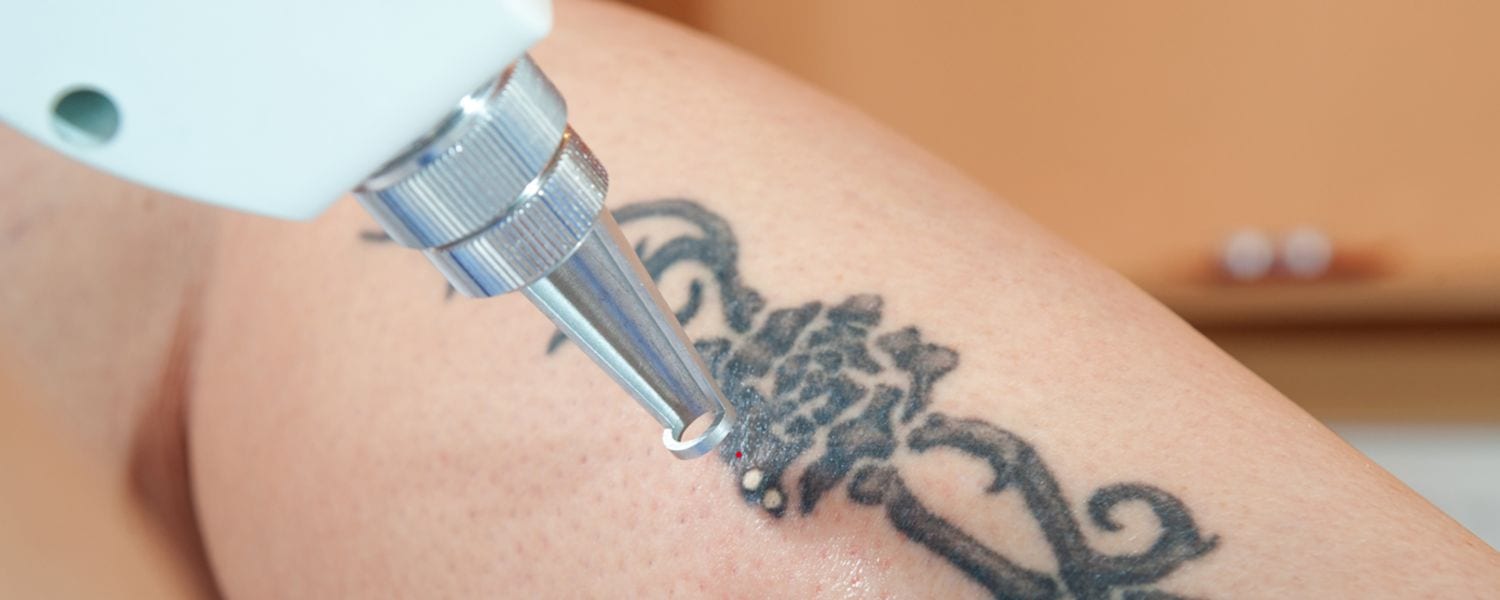
Laser tattoo removal works by breaking tattoo ink into tiny particles using short bursts of laser energy. Once fragmented, the ink particles are gradually removed by your body’s immune system over time.
A single session cannot remove all ink safely because:
Ink is layered at different depths in the skin
Treating too aggressively increases the risk of skin injury
Your body needs time to clear broken-down ink between sessions
For this reason, treatments are spaced out, and progress happens gradually, not instantly.
Average Number of Sessions: What Most People Need
While every tattoo is different, general patterns are common.
Typical ranges:
Light fading or cover-up preparation: 3–6 sessions
Moderate fading or partial removal: 6–8 sessions
Near-complete or complete removal: 8–12+ sessions
Some tattoos fade faster, while others require additional sessions depending on the factors outlined below.
Factors That Affect How Many Sessions You’ll Need
1. Tattoo Colour
Ink colour plays a major role in how easily a tattoo fades.
Black and dark blue: usually respond the fastest
Red, orange, purple: respond well but may take more sessions
Green, teal, light blue: often take longer
White or flesh-toned inks: may fade minimally or not visibly
Modern picosecond lasers, such as PicoSure®, are effective on a wide range of colours, but no laser removes every pigment at the same speed.
2. Tattoo Age
Older tattoos are generally easier to remove than newer ones.
Older tattoos often have:
Shallower ink
Partial natural fading
Less dense pigment
Newer tattoos usually contain more concentrated ink and may require additional sessions.
3. Ink Density and Tattoo Style
Professional tattoos usually require more sessions than amateur tattoos because:
Ink is placed deeper
Pigment concentration is higher
Lines are more compact
Dense styles such as:
Tribal
Heavy blackwork
Cover-up tattoos
often take longer than fine-line or lightly shaded designs.
4. Tattoo Location on the Body
Areas with stronger blood circulation tend to clear ink more efficiently.
Typically faster-clearing areas:
Upper chest
Upper arms
Shoulders
Upper back
Typically slower-clearing areas:
Hands and fingers
Ankles and feet
Lower legs
5. Skin Type and Healing Response
Skin tone and individual healing response matter.
Treatments must be adjusted for safety
Proper spacing reduces risks
Your immune system plays a major role in clearing ink
This is why experienced laser technicians focus on safe progression, not aggressive treatments.
Why Sessions Are Spaced 6–8 Weeks Apart
One of the most common misconceptions is that more frequent treatments lead to faster results. In reality, treating too often can slow progress and increase risk.
Spacing sessions 6–8 weeks apart allows:
Proper skin healing
Continued ink clearance between visits
Reduced risk of scarring or pigment changes
Ink removal continues for weeks after each session, even when no laser is applied.
Can You Speed Up Tattoo Removal?
There is no safe way to dramatically speed up tattoo removal, but you can support the process by:
Staying hydrated
Avoiding smoking
Protecting treated skin from sun exposure
Following aftercare instructions closely
Attempting to rush treatment usually results in poorer outcomes, not faster ones.
Fading vs. Full Removal: Sessions Can Differ
Not everyone wants complete removal.
If your goal is fading for a cover-up, fewer sessions are often needed. Many tattoos fade sufficiently within 3–5 sessions to allow a new design to be placed more cleanly.
Your consultation will determine whether fading or full removal is realistic for your tattoo.
Why Flat-Fee Pricing Matters When Sessions Add Up
Because tattoo removal requires multiple sessions, pricing structure matters.
At TattooRegret.ca, laser tattoo removal is offered at a flat fee per session, rather than charging by square inch or ink colour. This makes it easier to plan financially and avoids unexpected costs as treatment progresses.
You can learn more about flat-fee laser tattoo removal pricing in Toronto and Richmond Hill directly on our homepage:
👉 Laser Tattoo Removal Pricing at TattooRegret.ca
(Use this as the single internal link in the article.)
What Happens During a Consultation?
During a complimentary consultation, we assess:
Tattoo size and location
Colours and ink density
Skin type
Desired outcome (fading vs. full removal)
From there, we provide:
A realistic session range
Treatment spacing recommendations
Clear pricing explanation
Honest expectations
There is no obligation to proceed.
Setting Realistic Expectations
Laser tattoo removal is effective, but it is not instant. Most successful outcomes come from:
Patience
Proper spacing
Conservative, safe treatment settings
Clear expectations from the start
When done correctly, removal progresses steadily and safely over time.
Final Thoughts
So, how many laser tattoo removal sessions are needed?
For most people, the answer falls between 6 and 12 sessions, depending on the tattoo and individual factors. Some tattoos fade faster, others take longer, but nearly all benefit from a well-planned, patient approach.
If you’re considering laser tattoo removal in Toronto or Richmond Hill, the most important first step is a proper consultation — not a guess based on photos or online calculators.
