
Table of Contents
Can Tattoos Be Faded for Cover-Ups?
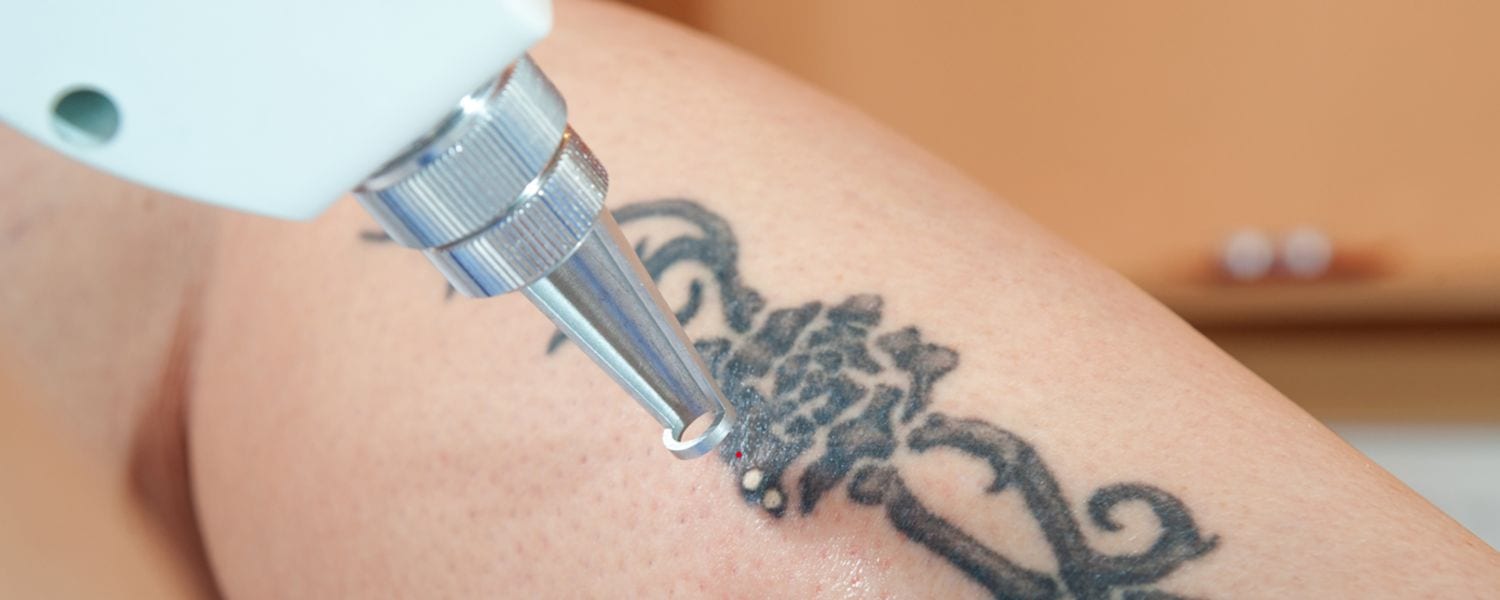
How Laser Tattoo Removal Helps Prepare Tattoos for New Ink
Direct Answer
Yes, tattoos can often be successfully faded for cover-ups using laser tattoo removal. In many cases, 3 to 5 laser sessions are enough to significantly lighten existing ink, allowing a new tattoo to be applied more cleanly. Fading typically requires fewer sessions than full removal and is a common goal for patients in Toronto and Richmond Hill.
Tattoo regret doesn’t always mean wanting a tattoo completely gone. For many people, the goal is simply to make an old tattoo easier to cover with a new design.
Laser tattoo removal plays an important role in modern cover-up tattoos. Instead of placing dark ink over dark ink, fading the original tattoo first allows tattoo artists to create cleaner, more detailed, and longer-lasting cover-ups.
This guide explains how laser tattoo removal is used specifically for tattoo fading, how many sessions are usually needed, and what patients in Toronto and Richmond Hill should realistically expect.
What Does “Fading for a Cover-Up” Mean?
Fading for a cover-up does not mean removing the tattoo entirely.
Instead, the goal is to:
- Reduce ink density
- Lighten dark areas
- Break up bold outlines
- Remove colour saturation
This creates a lighter “canvas” so the new tattoo design does not have to compensate for heavy underlying ink.
Why Tattoo Artists Recommend Laser Fading First
Most professional tattoo artists strongly prefer clients to fade old tattoos before doing a cover-up.
Laser fading allows:
- More design flexibility
- Lighter, more detailed artwork
- Less reliance on heavy black shading
- Better long-term appearance of the new tattoo
Without fading, cover-ups often need to be darker, thicker, and less detailed to hide the original tattoo.
How Many Laser Sessions Are Needed for Fading?
Fading typically requires fewer sessions than full removal.
Common ranges:
- Light fading: 1–2 sessions
- Moderate fading for cover-ups: 3–5 sessions
- Heavy black or dense tattoos: 5–7 sessions
The exact number depends on the tattoo’s size, colour, density, and location.
Which Tattoos Are Best Candidates for Fading?
Most tattoos can benefit from some level of fading, but certain types respond especially well.
Good candidates include:
- Dark or bold tattoos
- Older tattoos
- Tattoos with heavy outlines
- Multi-colour designs needing lightening
Even partial fading can make a significant difference for cover-up success.
Does Colour Affect Fading for Cover-Ups?
Yes, colour matters — but less than many people expect.
- Black ink: fades well and quickly
- Blue and purple: respond well to PicoSure
- Red and orange: often fade effectively
- Green and teal: may require more sessions
- White ink: often remains unchanged
Even when some colours don’t fully disappear, overall lightening still improves cover-up options.
How Laser Tattoo Removal Helps Artists Design Better Cover-Ups
When tattoos are faded first:
- Artists can use lighter colours
- Line work appears cleaner
- The old tattoo is less likely to “ghost” through
- The new design ages better over time
This is why many artists will require or strongly recommend laser fading before accepting a cover-up project.
Timing: When Can You Get a Cover-Up Tattoo?
Timing is important.
After your final laser fading session, most artists recommend waiting:
-
8–12 weeks before tattooing over the area
This ensures:
- Full skin healing
- Reduced sensitivity
- Better ink retention for the new tattoo
Rushing into a cover-up too soon can compromise results.
Can All Tattoos Be Completely Hidden With a Cover-Up?
Not always — and honest expectations matter.
Some tattoos:
- Are extremely dark
- Have heavy saturation
- Cover large areas
In these cases, fading improves results but may not completely eliminate visibility. This is discussed clearly during consultation so you can decide whether fading alone is sufficient or if additional sessions are helpful.
Skin Tone and Safety Considerations
Laser fading must be adjusted carefully for different skin tones.
For darker skin tones:
- Conservative laser settings are used
- Sessions may be spaced slightly longer
- Gradual fading is prioritized over speed
This approach protects skin integrity while still achieving meaningful lightening.
Why Fading Costs Less Than Full Removal
Because fading typically requires fewer sessions, total cost is often lower than full removal.
At Tattoo Removal Clinic pricing is offered as a flat fee per session, making it easy to plan financially whether your goal is fading or full removal.
You can view laser tattoo removal pricing in Toronto and Richmond Hill on our homepage:
👉 Laser Tattoo Removal Pricing at Tattoo Removal Clinic
What Happens During a Fading Consultation?
During your complimentary consultation, we discuss:
- Your existing tattoo
- Your cover-up plans
- Tattoo size, colour, and density
- Realistic fading expectations
- Approximate number of sessions
If you already have a tattoo artist, we can coordinate expectations so the fading aligns with the planned design.
Common Myths About Fading for Cover-Ups
Myth: You must remove the tattoo completely
Reality: Most cover-ups only require partial fading
Myth: Fading weakens the skin
Reality: Properly spaced laser treatments allow full skin recovery
Myth: Cover-ups always look dark
Reality: Fading allows lighter, more detailed designs
Final Thoughts
So, can tattoos be faded for cover-ups?
Absolutely. Laser tattoo removal is one of the most effective ways to prepare a tattoo for a successful cover-up. With 3–5 sessions, many tattoos become dramatically easier to rework, giving artists more freedom and clients better long-term results.
If you’re considering fading a tattoo for a cover-up in Toronto or Richmond Hill, the first step is a proper consultation with realistic expectations and transparent pricing.
